
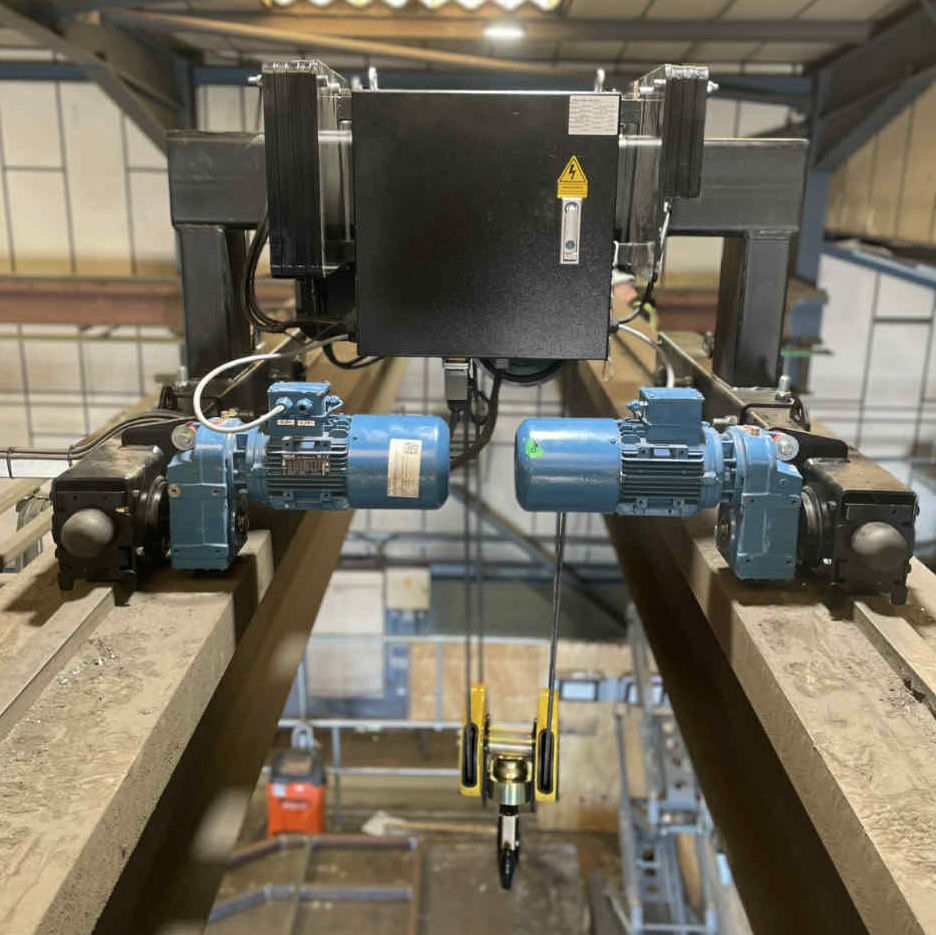
How Crane Safety Inspections Ensure Safety

Cranes are essential in many industrial and commercial operations. They lift heavy loads, move materials, and support construction and manufacturing activities. However, cranes also pose significant risks if not properly maintained and inspected. Regular safety inspections are critical to preventing accidents, ensuring compliance with regulations, and maintaining operational efficiency.
In this article, I will explain the safety inspection process for cranes, why it matters, and how it helps protect workers and equipment. I will also cover the costs involved and provide practical advice on maintaining crane safety.
The Importance of the Safety Inspection Process for Cranes
The safety inspection process is a systematic examination of a crane’s components and functions. It identifies wear, damage, or faults that could lead to failure or accidents. This process is essential because cranes operate under heavy loads and in challenging environments. Even minor defects can cause serious incidents.
A thorough safety inspection includes checking structural elements, mechanical parts, electrical systems, and safety devices. Inspectors look for cracks, corrosion, loose bolts, hydraulic leaks, and electrical faults. They also verify that safety features like limit switches, emergency stops, and load indicators work correctly.
Regular inspections help:
Detect problems early before they cause breakdowns or accidents
Ensure compliance with health and safety regulations
Extend the lifespan of the crane by preventing excessive wear
Maintain productivity by reducing downtime
Protect workers and the public from injury

Crane hook and load block inspected for wear and damage
Key Steps in the Crane Safety Inspection Process
The safety inspection process follows a structured approach. It typically involves the following steps:
Pre-Inspection Preparation
Review the crane’s maintenance history, previous inspection reports, and any incident records. Prepare the necessary tools and checklists.
Visual Inspection
Inspect the crane’s structure, including the boom, jib, and frame, for visible signs of damage or deformation. Check for corrosion, cracks, and loose or missing parts.
Mechanical and Functional Testing
Test the crane’s mechanical systems such as brakes, hoists, ropes, and pulleys. Verify that all moving parts operate smoothly and safely.
Electrical System Check
Examine wiring, control panels, limit switches, and emergency stop functions. Ensure electrical components are intact and functioning.
Load Testing
Perform load tests to confirm the crane can safely lift its rated capacity. This step is crucial for verifying the crane’s operational integrity.
Documentation and Reporting
Record all findings, including any defects or issues. Provide recommendations for repairs or maintenance. Issue a certificate of inspection if the crane passes all checks.
Following this process ensures a comprehensive assessment of the crane’s condition and safety.
How much does a crane inspection cost?
The cost of a crane inspection varies depending on several factors:
Type and size of the crane: Larger or more complex cranes require more time and expertise to inspect.
Inspection scope: Basic visual inspections cost less than full mechanical and load testing.
Frequency: Regular inspections may be offered at discounted rates compared to one-off checks.
Location: Travel and accessibility can affect pricing.
On average, a standard crane safety inspection can range from £200 to £800 in the UK. More extensive inspections or certifications may cost more. It is important to consider the inspection cost as an investment in safety and compliance rather than an expense.
Choosing a reputable service provider ensures thorough inspections and accurate reporting. For example, crane safety inspection services from experienced specialists can provide peace of mind and reduce long-term costs by preventing accidents and equipment failure.
Practical Recommendations for Maintaining Crane Safety
Maintaining crane safety goes beyond inspections. Here are some practical steps to keep cranes in good working order:
Schedule regular inspections according to manufacturer guidelines and legal requirements.
Train operators and maintenance staff on proper crane use and daily checks.
Keep detailed records of inspections, repairs, and maintenance activities.
Address defects immediately to prevent escalation.
Use quality replacement parts and follow manufacturer specifications.
Implement a preventive maintenance program to reduce unexpected breakdowns.
Ensure the work environment is safe, with clear access and no obstructions around the crane.
By combining regular inspections with proactive maintenance and training, you can significantly reduce risks and improve crane reliability.

Crane control panel checked for operational safety
The Role of Professional Inspection Services
Professional inspection services bring expertise and objectivity to the safety inspection process. Certified inspectors have the knowledge to identify subtle issues that may be missed by untrained personnel. They also understand regulatory requirements and industry standards.
Using a professional service offers several benefits:
Compliance assurance: Inspections meet legal and industry standards.
Detailed reporting: Clear documentation supports maintenance planning and audits.
Expert advice: Recommendations for repairs and upgrades improve safety.
Reduced liability: Proper inspections help protect against legal claims in case of accidents.
When selecting an inspection provider, consider their experience, certifications, and reputation. A trusted partner can become an integral part of your crane safety strategy.
Building a Culture of Safety Around Crane Operations
Safety inspections are a critical component, but fostering a culture of safety requires ongoing commitment. Encourage open communication about safety concerns and near misses. Promote continuous training and awareness programs.
Management should prioritise safety by allocating resources for inspections, maintenance, and training. Workers should feel empowered to report issues without fear of reprisal.
By embedding safety into daily operations, organisations can reduce accidents, improve morale, and enhance productivity.
Regular and thorough crane safety inspections are essential for safe and efficient crane operations. Understanding the safety inspection process, investing in professional services, and maintaining a proactive approach to crane care will help protect people, equipment, and business continuity.


Comments