
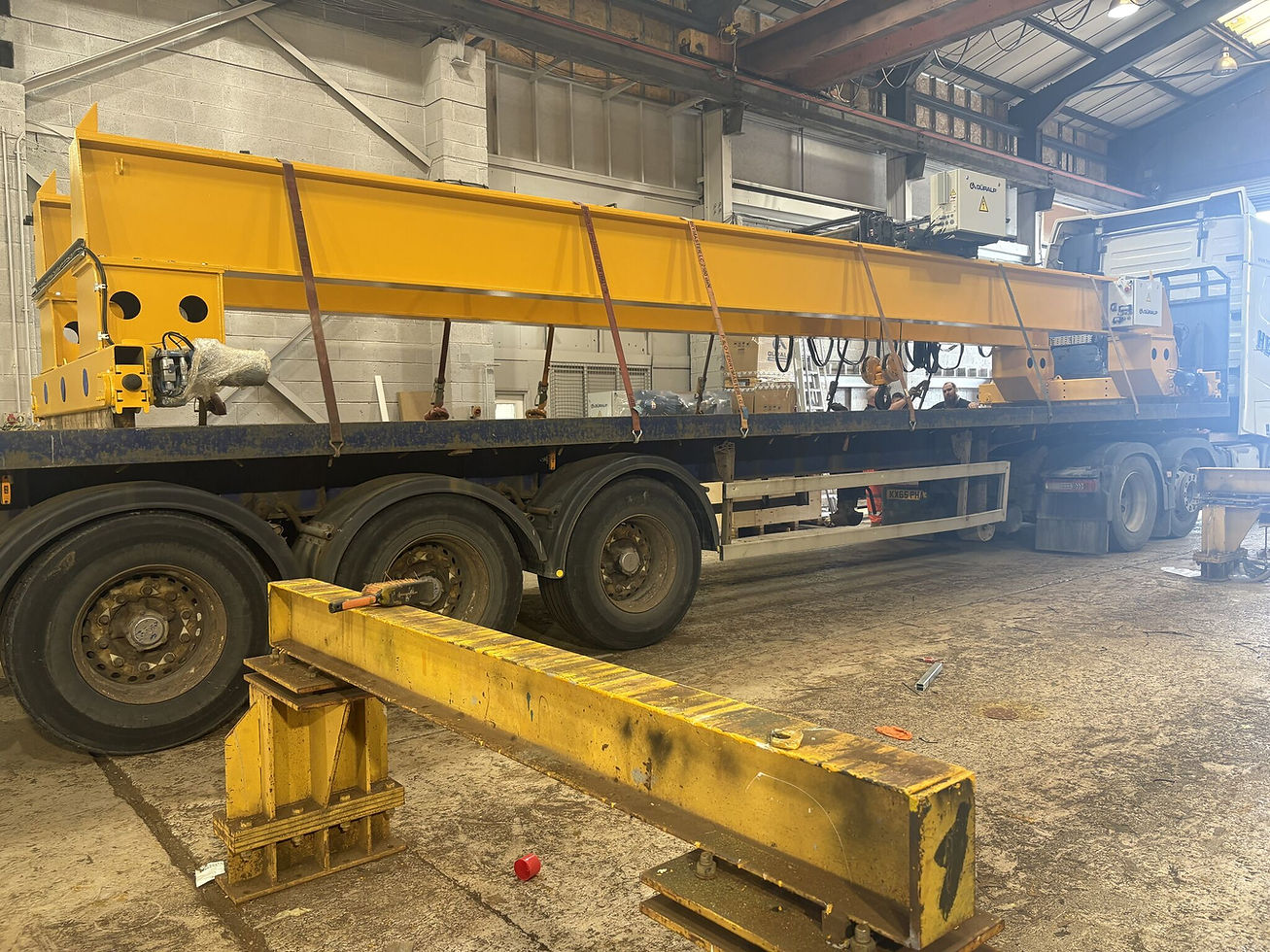
Understanding Industrial Crane Services

When managing heavy lifting and material handling in industrial settings, reliable crane service solutions are essential. These services ensure that cranes operate safely, efficiently, and with minimal downtime. In this post, I will explain the key aspects of crane service solutions, including maintenance, repair, and inspection. I will also highlight how these services support operational continuity and safety in industrial environments.
The Importance of Crane Service Solutions
Cranes are critical assets in many industrial and commercial operations. They handle heavy loads, move materials across sites, and support manufacturing and construction processes. Without proper service solutions, cranes can become unsafe or inefficient, leading to costly delays or accidents.
Regular maintenance and timely repairs extend the lifespan of cranes. They also help prevent unexpected breakdowns that disrupt workflows. For example, a well-maintained overhead crane in a warehouse can operate smoothly for years, reducing the risk of mechanical failure.
Key benefits of crane service solutions include:
Increased safety: Regular checks identify worn parts or potential hazards.
Improved reliability: Scheduled servicing reduces unexpected downtime.
Cost savings: Preventive maintenance avoids expensive emergency repairs.
Compliance: Ensures cranes meet industry safety standards and regulations.
By investing in professional crane service solutions, businesses protect their equipment and maintain steady productivity.
What Crane Service Solutions Typically Include
Crane service solutions cover a range of activities designed to keep lifting equipment in top condition. These services are often tailored to the specific type of crane and the operational environment. Common components include:
Routine Inspections
Inspections assess the crane’s mechanical and electrical systems. They check for wear, corrosion, and alignment issues. Inspections are usually performed monthly, quarterly, or annually depending on usage.
Preventive Maintenance
This involves scheduled servicing such as lubrication, tightening bolts, replacing worn parts, and testing safety devices. Preventive maintenance aims to catch problems early before they cause failure.
Repairs and Overhauls
When faults are detected, repairs restore the crane to full functionality. Overhauls may involve replacing major components like motors, brakes, or control systems.
Load Testing
Load tests verify that the crane can safely handle its rated capacity. This is a critical safety check often required by regulations.
Upgrades and Modernisation
Older cranes can be upgraded with new control systems or safety features to improve performance and compliance.
Emergency Call-Outs
Rapid response services address unexpected breakdowns to minimise downtime.
Each of these services contributes to a comprehensive maintenance strategy that supports safe and efficient crane operation.

Choosing the Right Crane Service Provider
Selecting a reliable service provider is crucial for effective crane maintenance and repair. The right partner will have the expertise, equipment, and certifications to handle various crane types and brands.
When evaluating providers, consider the following:
Experience and Specialisation
Look for companies specialising in industrial crane services with a proven track record in your sector.
Qualified Technicians
Ensure technicians are trained and certified to work on cranes safely and competently.
Range of Services
A full-service provider can handle inspections, maintenance, repairs, and emergency support.
Response Times
Fast response to breakdowns reduces operational disruption.
Compliance Knowledge
The provider should understand relevant UK safety standards and regulations.
Customer Support
Good communication and transparent reporting build trust and long-term partnerships.
For example, JF Electrical Engineering LTD offers comprehensive industrial crane services across the UK. Their team specialises in reliable, safe crane repairs and maintenance tailored to industrial clients.
Safety and Compliance in Crane Services
Safety is the top priority in crane operations. Service solutions must ensure cranes meet all legal and industry safety requirements. In the UK, cranes are subject to regulations such as the Lifting Operations and Lifting Equipment Regulations (LOLER) and the Provision and Use of Work Equipment Regulations (PUWER).
Key safety practices include:
Regular Thorough Examinations
These are mandatory inspections by a competent person to certify the crane’s safety.
Detailed Record Keeping
Maintaining logs of inspections, maintenance, and repairs helps track the crane’s condition.
Operator Training
Properly trained operators reduce the risk of accidents and equipment damage.
Use of Certified Parts
Replacement parts should meet manufacturer specifications to maintain safety standards.
Risk Assessments
Identifying hazards related to crane use and implementing controls.
By adhering to these practices, service providers help clients maintain safe working environments and avoid legal penalties.

Maximising Crane Performance Through Service Solutions
Effective crane service solutions do more than just maintain safety. They also optimise crane performance, which benefits overall operations. Here are some practical recommendations to maximise crane efficiency:
Schedule Regular Maintenance
Avoid waiting for problems to appear. Stick to a maintenance calendar based on manufacturer guidelines and usage intensity.
Monitor Crane Usage
Track operating hours and load cycles to predict when servicing is needed.
Invest in Upgrades
Modern control systems and safety devices can improve precision and reduce downtime.
Train Operators Continuously
Skilled operators handle cranes more efficiently and spot issues early.
Use Quality Parts and Lubricants
This reduces wear and extends component life.
Plan for Emergency Support
Have a service provider on call for urgent repairs to minimise production losses.
By following these steps, businesses can ensure their cranes deliver consistent, reliable performance.
Building Long-Term Partnerships for Crane Support
Long-term partnerships with crane service providers offer significant advantages. A trusted provider understands your equipment, operational needs, and safety priorities. This familiarity leads to faster service, tailored solutions, and better cost management.
Benefits of long-term partnerships include:
Priority Scheduling
Regular clients often receive faster response times.
Customised Maintenance Plans
Service schedules designed around your specific crane usage.
Consistent Quality
Familiar technicians maintain high standards and continuity.
Cost Efficiency
Bundled services and planned maintenance reduce overall expenses.
Proactive Problem Solving
Providers can anticipate issues and recommend improvements.
Choosing a partner like JF Electrical Engineering LTD, which focuses on building lasting relationships with industrial clients, ensures ongoing support and peace of mind.
By understanding the scope and benefits of crane service solutions, industrial operations can maintain safe, efficient lifting systems. Investing in professional maintenance, repairs, and inspections protects assets and supports continuous productivity. Reliable service providers play a key role in delivering these outcomes, helping businesses meet their operational goals with confidence.


Comments